
Different Approaches. Shared Commitments.
Learning at Cottonwood looks different across classrooms because children have different needs at different stages of development.
Our teachers draw on direct instruction, play, creative expression, hands-on exploration, investigation, and community experiences to support academic and personal growth. Rather than requiring every classroom to follow the same teaching method, we use approaches appropriate to the children, the subject, and the learning goals.
Preschool & PreK
Learning Through Play and Exploration
Play is central to our earliest childhood classroom. Children spend meaningful time engaged in imaginative play, making art, building, movement, sensory exploration, and other hands-on experiences.
Teachers thoughtfully prepare the environment, observe children’s interests, introduce new materials and ideas, and extend learning through conversation and shared experiences.
Early literacy, mathematics, language and vocabulary, social development, and independence are woven into classroom life. Building a structure, creating a pretend meal, or exploring natural materials can become opportunities to investigate, solve problems, communicate, and collaborate.
Kindergarten & 1st Grade
Building Foundations Through Play and Discovery
In our K/1 classroom, children build reading, writing, and mathematics skills through instruction that meets them where they are, with support and opportunities for growth at their own pace.
Alongside foundational academics, children engage in open-ended art, hands-on projects, movement, and exploration of the natural world. Self-initiated research and investigation encourage them to ask questions, follow their curiosity, and make discoveries.
This combination of intentional teaching and independent exploration helps children strengthen their skills while becoming increasingly confident and capable learners.
Upper Elementary Grades
Deepening Understanding and Independence
As students grow, academic learning becomes increasingly complex, with opportunities for deeper investigation, discussion, research, and collaborative work.
Teachers combine individual and small-group instruction in reading, writing, and mathematics with projects, problem-solving, and experiences that encourage students to apply what they’ve learned.
Students are challenged to think critically, consider different perspectives, take responsibility for their work, and contribute meaningfully to their learning community.
Learning Beyond the Classroom
Experiences and Community
Learning at Cottonwood extends beyond the classroom through onsite art and physical education classes, daily whole-school music, outdoor exploration, and experiences within our surrounding community.
Library visits, creek exploration, neighborhood walks, and visits to local businesses give children opportunities to engage with the people, places, and natural environments around them.
These experiences enrich classroom learning while helping children develop a deeper connection to their community and the world beyond school.
What Shapes Our Philosophy
Our philosophy is shaped by what we know about child development, the importance of play, the power of strong relationships, and the understanding that children learn best through experiences and engagement. We are inspired by research, reflective practice, and approaches that honor children’s competence and natural desire to learn.
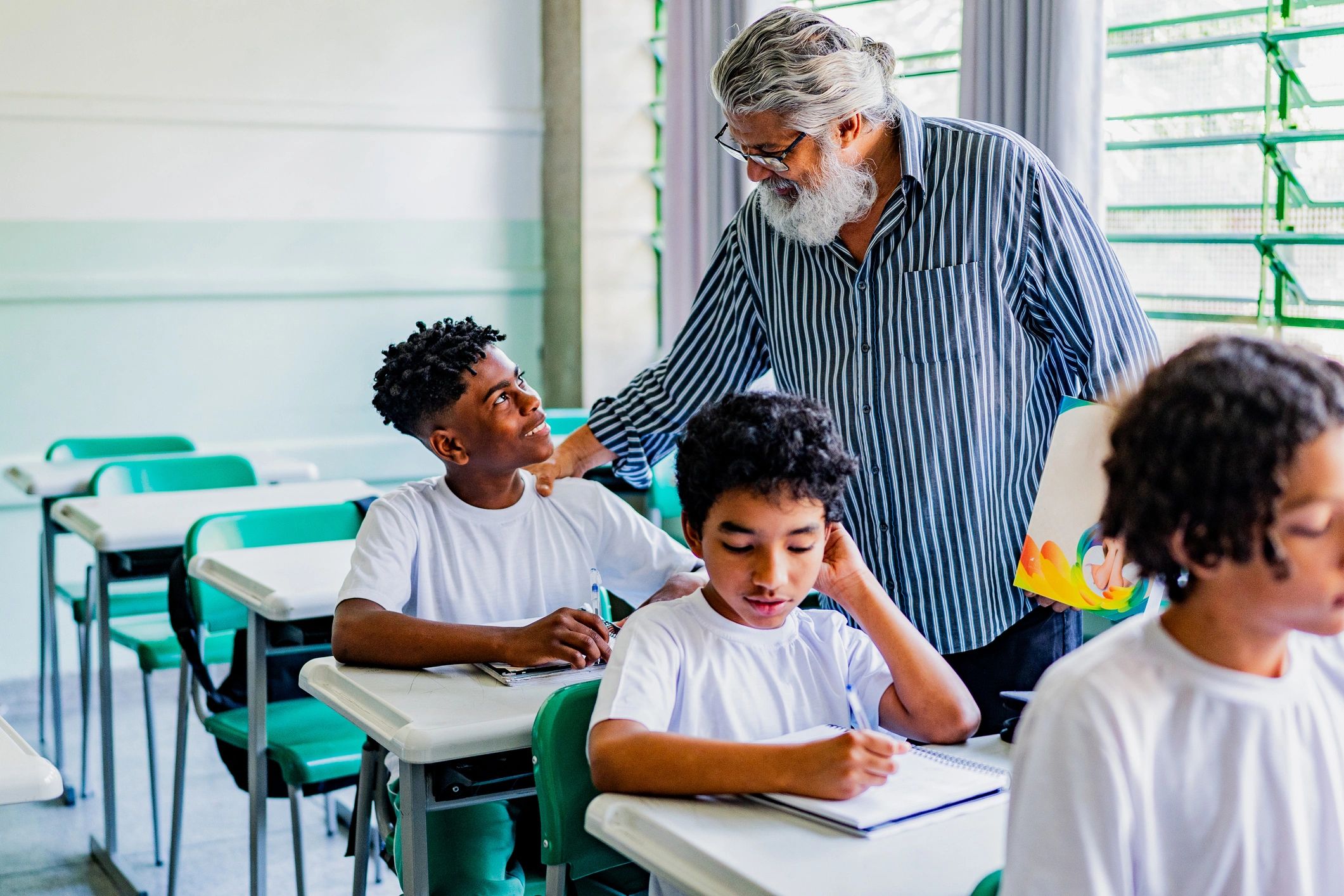
Belonging
Relationships Come First
Learning begins with connection. When children trust the adults around them and feel a true sense of belonging, they are more willing to explore, take risks, persevere through challenges, and share their ideas. Our classrooms are built on strong relationships, predictable rhythms, and genuine care for each child.
Discovery
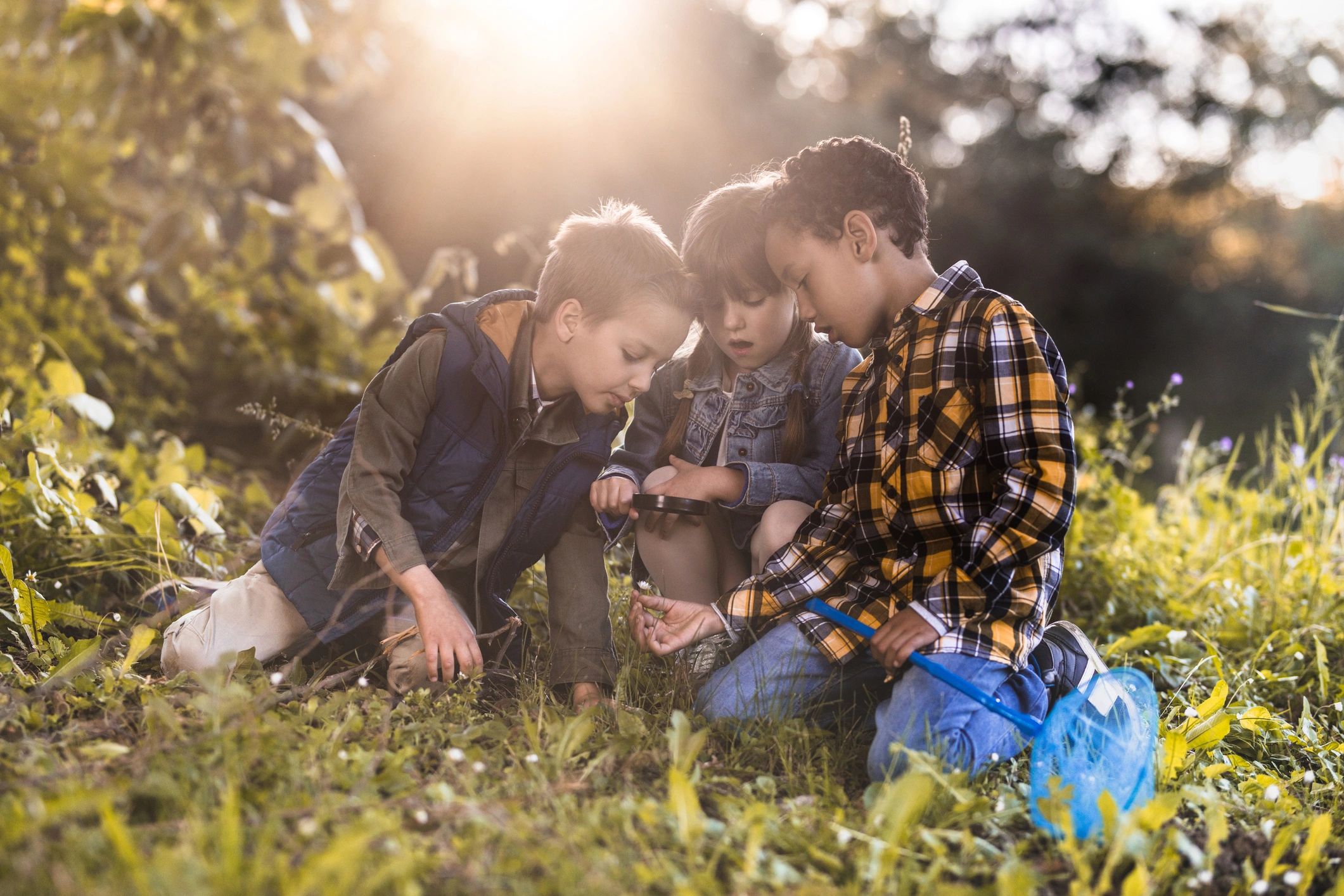
Learning Through Experience
Children make sense of the world by actively engaging with it. Through play, investigation, discussion, creation, and hands-on experiences, they develop understanding that is meaningful, connected, and lasting. We believe learning is deepest when children can explore ideas, ask questions, test theories, and discover relationships for themselves.
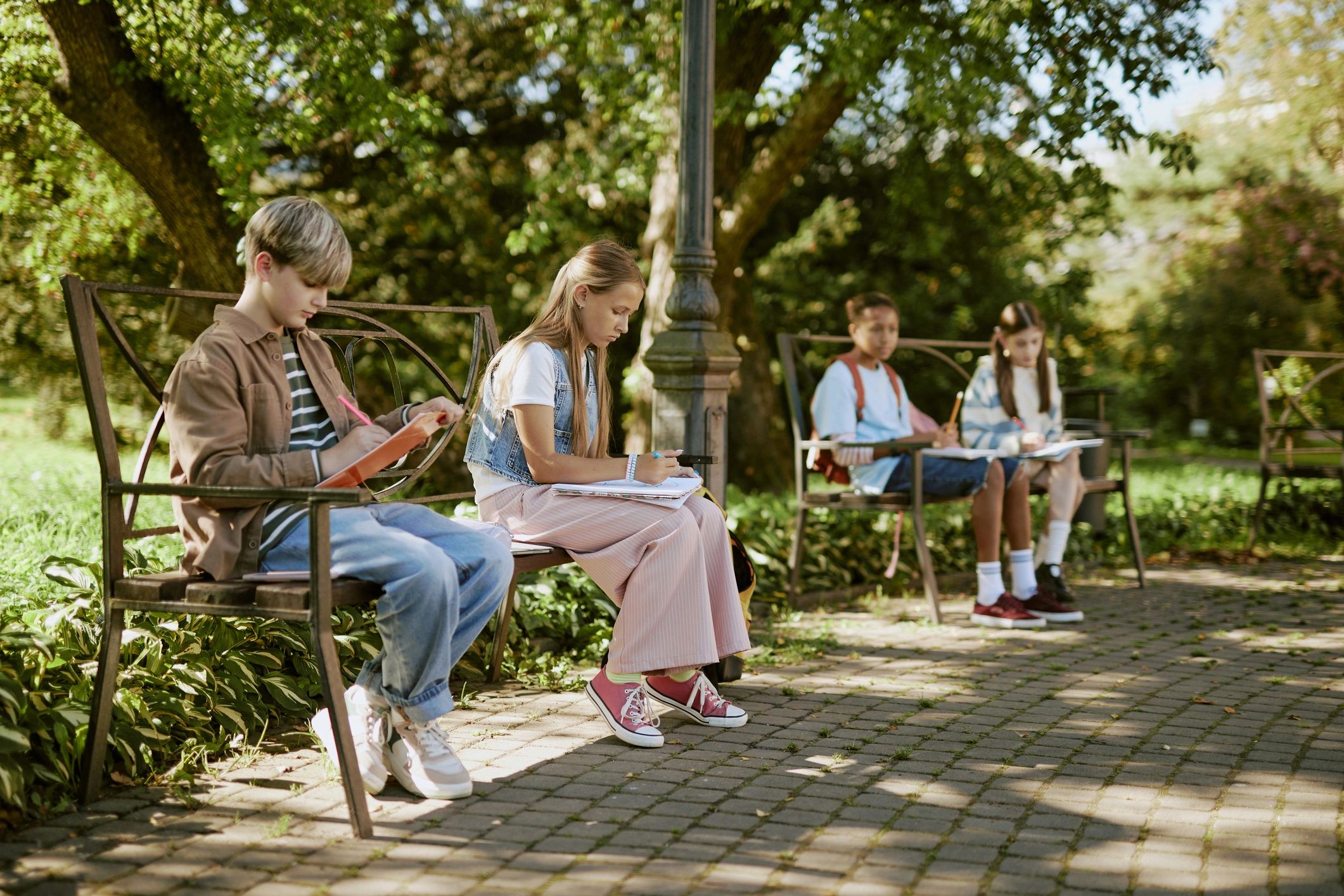
Growth
Academic and Human Development
Academic growth is important, but it is only one part of a child’s development. As they develop literacy, mathematical thinking, and problem-solving skills, they are also developing confidence, empathy, self-awareness, perseverance, and a sense of responsibility to others. We value who children are becoming as much as what they know.